
Pistachio paste, kadayıf, lokum and dragées for importers, confectionery wholesalers and pastry suppliers in Japan
From Gaziantep, Türkiye, into Japan: ピスタチオペースト and kadayıf in professional sizes for the 製菓材料 trade, pistachio lokum, chocolate dragées and Dubai-style bars — supplied to a schedule rather than as a one-off, with the label content prepared in Japanese from the producer's technical data sheet.
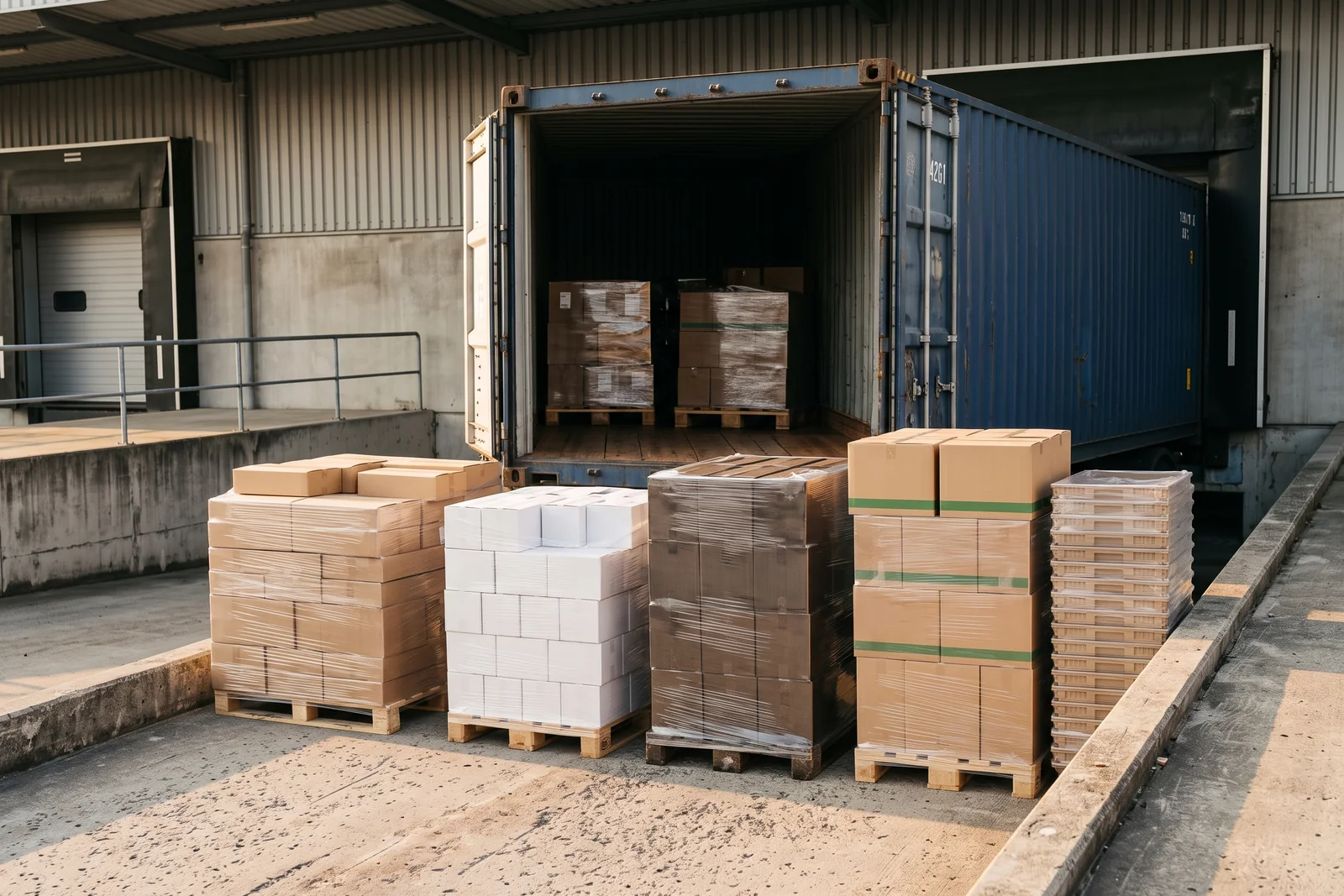
One container, every line, from Gaziantep.
Japan imported about seven hundred and eighty million dollars of chocolate and around one hundred and eighty million dollars of sugar confectionery in the most recent full year. Türkiye was the fourteenth source of chocolate at roughly two and a half per cent, and the tenth source of sugar confectionery at a little over three and a half. So the trade exists, but it is thin against the size of the market.
The measured Japanese-language demand is the largest of any market we have measured in Asia, and it points at a channel rather than a product. Behind 業務用チョコレート, 製菓材料 and ピスタチオペースト sits a fully commercial professional tier — pastry-ingredient suppliers selling couverture and pistachio paste in kilo packs to bakeries, cafés and manufacturers. That is a supply relationship, not a shelf listing, and it is the part of our range that is not a finished consumer pack.
The second reading is about pace. Japan does not buy this category on a spot basis. Entry runs on institutional capacity, consistency and continuity — the same specification, shipment after shipment. We are set up for that: fixed producers in Gaziantep, the same technical data sheet per line, and a schedule agreed in advance rather than a container offered when one happens to be free.
We supply direct from the chocolate and confectionery manufacturers in Gaziantep, the city we work in.
- 製菓材料 and 業務用 suppliers — pastry-ingredient wholesalers selling to bakeries, patisseries, cafés and manufacturers, buying pistachio paste and kadayıf in professional sizes.
- 菓子卸 and 卸問屋 — confectionery wholesalers buying by the carton for their own trade customers.
- Food importers and trading companies that file their own entries and place lines with retail and foodservice.
- Imported-confectionery retailers and specialist grocery carrying lines that are not made domestically.
- Japanese brands and retailers wanting the same lines under their own name — the route is set out on the private label page.
- Gift and 引き出物 suppliers assembling boxed sets, buying dragées and lokum in bulk and packing on their side.
Six lines, mixed to your list.
Each line travels on its own pallet; the container is mixed. Outside the core range we source on request and load it in the same shipment.
From your list to your port.
- 01
Your list
Product references, quantities and the destination port.
- 02
Written offer
Every line priced, with the pallet plan, within two working days.
- 03
Samples and proforma
Free samples, courier at your cost; 50% with the order.
- 04
One container
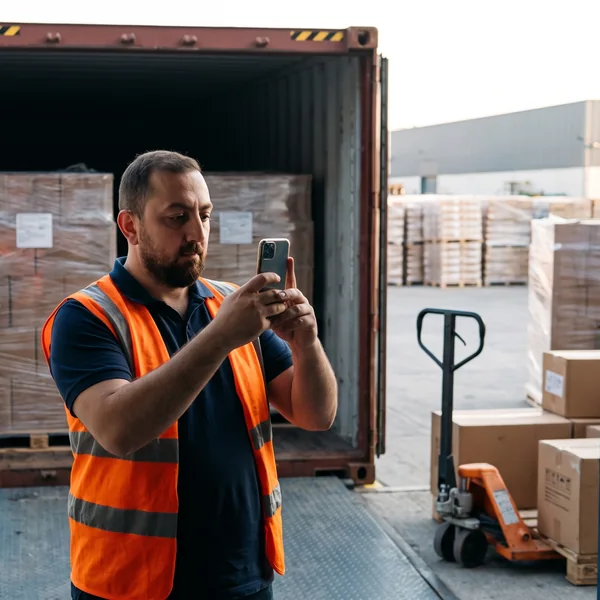
Collected, consolidated, photographed pallet by pallet, shipped.
What stays the same on every offer.
Rates and rules change; the quotation states what applies on the day. These points do not change.
- The professional tier is the opening, not the shelf
- The clearest commercial signal in Japanese search is not a finished product at all — it is 製菓材料, pastry ingredients, and 業務用, professional grade. Pistachio paste is already sold there in kilo packs to bakeries and patisseries, and couverture has its own established trade. That is the shape of our strongest offer to Japan: pistachio paste and kadayıf as components, in catering sizes, against a specification — rather than a consumer jar competing for shelf space.
- Individually wrapped is a format, not a preference
- 個包装 — individually wrapped — turns up as a standing qualifier on professional confectionery in Japan, because of how product is served, gifted and portioned. It changes the pack, the case count and the line speed, so it is settled per line at the offer stage rather than treated as a finishing touch.
- Japan is a schedule, not a spot order
- This category does not move on short-term spot sales in Japan. What is asked for is institutional capacity, a consistent specification and continuity of supply — the same line, the same sheet, shipment after shipment. A first approach that offers a one-off container reads as the wrong kind of supplier. We work to an agreed schedule with fixed producers, and the first shipment is treated as the start of a programme.
- The label is Japanese, and the importer owns it
- What goes on the pack is decided by the company that first places the goods on the Japanese market — the importer. We supply the ground for it: the producer's technical data sheet per line, ingredient and allergen statements, nutrition figures and the origin declaration. Artwork in Japanese is prepared on the importer's side, or by us under private label from the same data.
- Contact runs through the company, not a person
- Japanese companies in this trade generally do not publish individual buyer addresses; approaches go through a central address or the enquiry form on the company's own site, most of them in Japanese. An unintroduced message in English is easy to miss. We write in Japanese, through the company's own channel, and we expect the first exchange to be about specification and continuity rather than price.
- Formats and the case
- Pistachio paste and kadayıf ship in catering sizes for the ingredient trade; lokum and dragées ship in bulk cartons for the weighed counter or for repacking; bars and boxed lokum ship in retail-ready cases. Carton counts, case dimensions and pallet configuration are given per line from the producer's specification.
- Trade ground
- Türkiye and Japan do not have a free trade agreement in force for this category, so Turkish-origin confectionery enters on Japan's ordinary applied rates. The exact rate is confirmed tariff line by tariff line with the Japanese importer or their customs broker before the offer is firmed — we do not quote a duty figure we have not verified for that specific line.
Private label chocolate for Japanese brands
The same lines under your own name, with the label content prepared in Japanese from the producer's technical data sheet, individually wrapped formats where the channel needs them, and minimums stated per line.
Private label for Japanese brands →Asked before the first list.
Do you supply ピスタチオペースト in professional sizes?
Yes. Pistachio paste is supplied in catering sizes for the 製菓材料 and 業務用 trade rather than only as a retail jar, against the producer's specification. Sizes, case counts and pallet configuration are given per line.
Can you supply kadayıf as an ingredient?
Yes — kadayıf is supplied as a component for bakeries, patisseries and dessert makers, as well as inside finished Dubai-style bars. Which form suits depends on whether you are making on your side or reselling a finished pack.
Can products be 個包装?
Individually wrapped formats are decided per line at the offer stage, because they change the pack, the case count and the run. Tell us the format the channel needs and it is quoted against the producer's specification rather than assumed.
Do you work with 菓子卸 and 製菓材料 suppliers?
Yes — wholesalers buying by the carton for their own trade customers, and pastry-ingredient suppliers buying components in professional sizes. Both are the tier we are set up for; we supply the case, not the consumer decision.
How does a first approach usually work?
In Japanese, through the company's own channel, with the specification first: what the line is, how it is packed, what the data sheet says and how supply would be kept consistent. We would rather agree a schedule than push a single container.
Do you prepare Japanese labels?
Under private label we prepare the artwork from the producer's technical data sheet and Japanese labelling requirements, checked on the Japanese side before print. For our own lines the importer prepares the label using the same data sheet, ingredient and allergen statements and nutrition figures.
Is Antep Foods a chocolate manufacturer in Türkiye?
No. Antep Foods is an export company in Gaziantep. Production takes place at Gaziantep producers we name line by line in the offer; certificates and data sheets are issued in the producer’s name. Wholesale only; prices come in a written offer, not on the site.
Send the list. We do the rest.
Send your product list with approximate quantities and the destination port. You get one offer covering every line, then one container, loaded and photographed before the doors close.
 Mixed containerHow a list becomes a container →