
Pistachio lokum, dragées and Dubai-style bars for importers and imported-confectionery wholesalers in South Korea
One mixed container from Gaziantep, Türkiye, into Korea: pistachio lokum, sugared almonds and chocolate dragées, Dubai-style bars with kadayıf and pistachio spread — with the producer's facility registered with MFDS before the import declaration is filed, and the label content prepared in Korean.
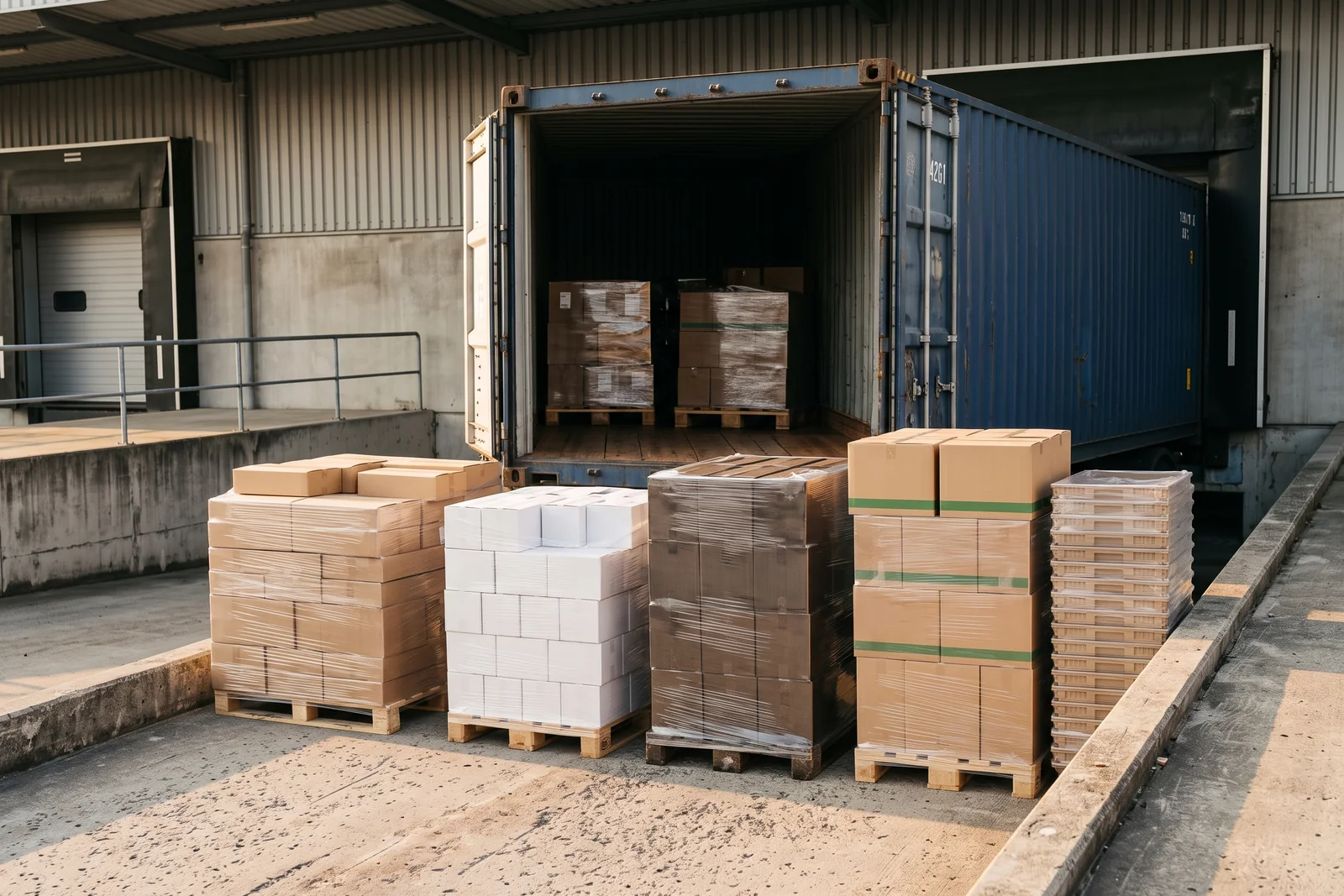
One container, every line, from Gaziantep.
South Korea imported about three hundred and forty million dollars of sugar confectionery in the most recent full year — and Türkiye was the third largest source of it, at a little over ten per cent. That is roughly thirty-five million dollars a year of Turkish sugar confectionery already crossing into Korea. In chocolate the picture is the opposite: Türkiye sits twelfth at under two per cent, and the unit value is low, so what moves there moves on volume.
So Korea is not a market Turkish confectionery is trying to enter. It is a market where the sugar-confectionery channel is already open and running, and where chocolate has barely been tried. The measured Korean-language demand is small in volume but unusually commercial: the wholesale terms carry some of the highest click prices we have measured anywhere, which is what a narrow trade with real money behind it looks like.
The search results make the channel explicit. Behind 과자 도매 and 수입 과자 도매 sits an established tier of 도매몰 — imported-confectionery wholesale malls, several of them marked 사업자 전용, business accounts only. That tier is the door, and it is the one we are built for: bulk cartons, not consumer packs.
We supply direct from the chocolate and confectionery manufacturers in Gaziantep, the city we work in.
- 수입과자 도매몰 and 도매업체 — imported-confectionery wholesalers buying by the carton for business customers rather than by the piece.
- Food importers and distributors that file their own import declarations and supply supermarkets, convenience chains and specialist shops.
- Brands and retailers wanting the same lines under their own name — the route is set out on the private label page.
- Dessert cafés, bakeries and patisserie suppliers buying pistachio spread and kadayıf as an ingredient rather than a finished pack.
- Gift and 답례품 suppliers assembling boxed sets, buying dragées and lokum in bulk and packing on their side.
Six lines, mixed to your list.
Each line travels on its own pallet; the container is mixed. Outside the core range we source on request and load it in the same shipment.
From your list to your port.
- 01
Your list
Product references, quantities and the destination port.
- 02
Written offer
Every line priced, with the pallet plan, within two working days.
- 03
Samples and proforma
Free samples, courier at your cost; 50% with the order.
- 04
One container
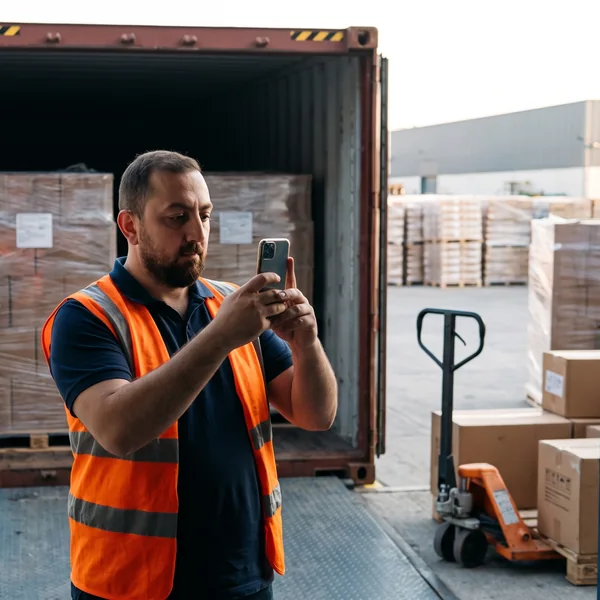
Collected, consolidated, photographed pallet by pallet, shipped.
What stays the same on every offer.
Rates and rules change; the quotation states what applies on the day. These points do not change.
- The facility is registered before the shipment, not with it
- Korea's food authority is the Ministry of Food and Drug Safety (MFDS). The overseas manufacturing site has to be registered with MFDS before the import declaration is filed — it is not something that can be arranged while the container is on the water. First-time imports of a given product can also be pulled for fuller examination. Registration and declarations run through the Imported Food Information Maru system. In practice this means the Korean importer and the producer have to line the paperwork up in one step, and the first shipment needs more lead time than the ones after it.
- What Korea asks for, per product
- Before a line can be declared, the following are normally assembled for each product: product name and HS code, the full recipe, food additives used and their quantities, allergen information, nutrition values, packaging and net weight, producer and factory details, shelf life and storage conditions, and origin. We supply the producer's technical data sheet per line as the ground for that file; the final compliance call is made product by product on the Korean side, because two lines under the same HS code can fall into different Korean food categories.
- Additives and the recipe decide the category
- MFDS maintains its own Food Additives Code, and chocolate and processed chocolate products carry Korea-specific rules on product classification, ingredient declaration, allergens and nutrition labelling. A recipe that is unremarkable elsewhere can need a change here. This is checked per line before an offer is firmed up, not after.
- The label is Korean, and the importer owns it
- What goes on the pack is decided by the company that first places the goods on the Korean market — the importer. We supply the ground for it: the technical data sheet per line, ingredient and allergen statements, nutrition figures and the origin declaration. Artwork in Korean is prepared on the importer's side, or by us under private label from the same data.
- Where the trade actually sits
- Turkish sugar confectionery is already the third largest source in Korea, which means the buyers exist and the route is known. The gap is chocolate, where Türkiye is twelfth and the unit value suggests the volume end. Our own weight is pistachio: pistachio lokum, pistachio spread, dragées and Dubai-style bars with kadayıf — lines that are not competing with the low end but with the specialist shelf.
- Formats for the wholesale tier
- The 도매몰 tier buys in bulk cartons and resells to businesses, so the unit that matters is the case, not the consumer pack. Lokum and dragées ship in bulk cartons for the weighed counter or for repacking; bars and boxed lokum ship in retail-ready cases. Carton counts, case dimensions and pallet configuration are given per line from the producer's specification.
- Trade ground
- Türkiye and South Korea have a free trade agreement in force. Which lines it reaches and what remains payable is confirmed tariff line by tariff line with the Korean importer or their customs broker before the offer is firmed — we do not quote a duty figure we have not verified for that specific line.
Private label chocolate and confectionery for Korean brands
The same lines under your own name, with the label content prepared in Korean from the producer's technical data sheet, and MFDS facility registration handled before the declaration.
Private label for Korean brands →Asked before the first list.
Do you work with 수입과자 도매몰 and wholesalers?
Yes — that tier is the main channel we are set up for. Bulk cartons for resale to business customers, with case counts and pallet configuration given per line. We supply the carton; the consumer pack and the shelf pricing are decided on your side.
Is the producer registered with MFDS?
Registration is done per producing facility and has to be completed before the import declaration. We work with the producer to prepare the registration file and the per-product documents Korea asks for. It is part of the first shipment's timetable and is confirmed before anything is loaded.
Which products are the strongest fit for Korea?
Pistachio lokum, chocolate dragées and sugared almonds, Dubai-style bars with kadayıf, and pistachio spread. Turkish sugar confectionery is already the third largest source in Korea, so the sugar-confectionery side has a channel behind it; the chocolate side is where the shelf is still open.
Can you supply pistachio spread and kadayıf as ingredients?
Yes. Dessert cafés, bakeries and patisserie suppliers buy pistachio spread in catering sizes rather than jars for the shelf, and kadayıf as a component. Sizes and case configuration are given per line from the producer's specification.
Do you prepare Korean labels?
Under private label we prepare the artwork from the producer's technical data sheet and the Korean labelling requirements, and it is checked on the Korean side before print. For our own lines the importer prepares the label, using the same data sheet, ingredient and allergen statements and nutrition figures we supply.
What does a first order look like?
A mixed container is the usual shape: several lines in one load so a new shelf can be tested without committing to one product. Minimums are stated per line, and the timetable counts from artwork approval and MFDS registration rather than from the order date.
Is Antep Foods a chocolate manufacturer in Türkiye?
No. Antep Foods is an export company in Gaziantep. Production takes place at Gaziantep producers we name line by line in the offer; certificates and data sheets are issued in the producer’s name. Wholesale only; prices come in a written offer, not on the site.
Send the list. We do the rest.
Send your product list with approximate quantities and the destination port. You get one offer covering every line, then one container, loaded and photographed before the doors close.
 Mixed containerHow a list becomes a container →