The nut share
The single largest driver is how much pistachio is inside. A plain rose or lemon cube has none; a finger roll built around whole Gaziantep kernels is mostly nut by value. Between them sit pieces with chopped pistachio, hazelnut or walnut. The producer’s data sheet states the nut share, and two offers can only be compared once that number is beside each of them.
The cut and the coating
A cube dusted with starch and powdered sugar is the cheapest form to make; a roll that is sliced, coated in ground pistachio, kadayif, coconut or chocolate adds handling and a second ingredient. Special lokum, the baklava-delight lines with a pistachio or kadayif coating, sits at the top of the range for that reason. The coating also changes the transport: a chocolate-coated roll travels like chocolate in summer.
Inner unit or retail box
The same lokum costs less per kilo as a 2 kg or 5 kg inner unit for a deli than as a printed 250 g retail box, because the box, the tray, the film and the labour of packing are in the second price. A deli buyer and a gift-shop buyer are not comparing the same product even when the recipe is identical.
Packing, pallet and route
Case size, pallet plan and whether the line shares a container with chocolate decide the freight per kilo. Lokum does not need a reefer; if it shares a summer container with cocoa-butter chocolate it pays the reefer with it. Delivery terms shift cost between the parties: FCA Gaziantep, FOB Mersin, CIF and DAP place the same total in different columns, so two offers are only comparable on the same term.
Sugar, glucose and the base recipe
Beneath the nut and the coating sits the base recipe: sugar, starch and water, cooked for hours. Producers differ in the share of glucose against sucrose, in cooking time and in whether natural or synthetic flavourings are used, and each choice moves the cost. A rose lokum made with rose water and a pomegranate lokum made with fruit concentrate cost more than the same pieces made with flavour essence. The data sheet lists ingredients in descending order, and reading that list beside the price is the fastest way to see where a low price comes from.
How to read an offer
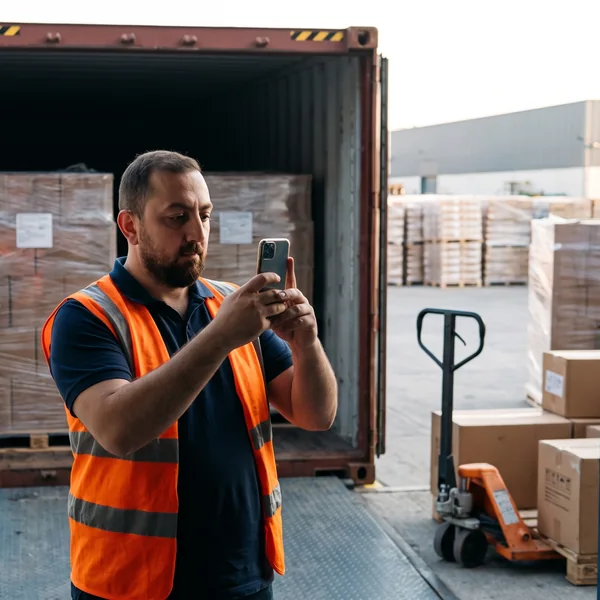
Line by line: nut share, cut, coating, format, case and pallet data, minimum, tariff heading and the producer’s name. We are an export company, not the factory, and every line in our offer carries these fields so that a buyer can compare it with any other. Send your list and the written offer follows within two working days in US dollars. Samples go out first, free from running production, courier at your cost. Payment by bank transfer in two halves, the second against the loading photographs.
Why are prices not on the site?
Because the same product exists in several nut shares, cuts and formats, and the price of each changes with the day’s costs. Every buyer receives a written offer per line instead.
Which Turkish delight is the cheapest to import?
Plain starch-dusted cubes in inner units. Which one is worth importing depends on your channel; a deli and a gift shop give different answers.
Does Turkish delight need a reefer?
Plain lokum does not. Chocolate-coated lines do in the warm months, and a lokum line sharing a container with chocolate travels under the chocolate’s conditions.